
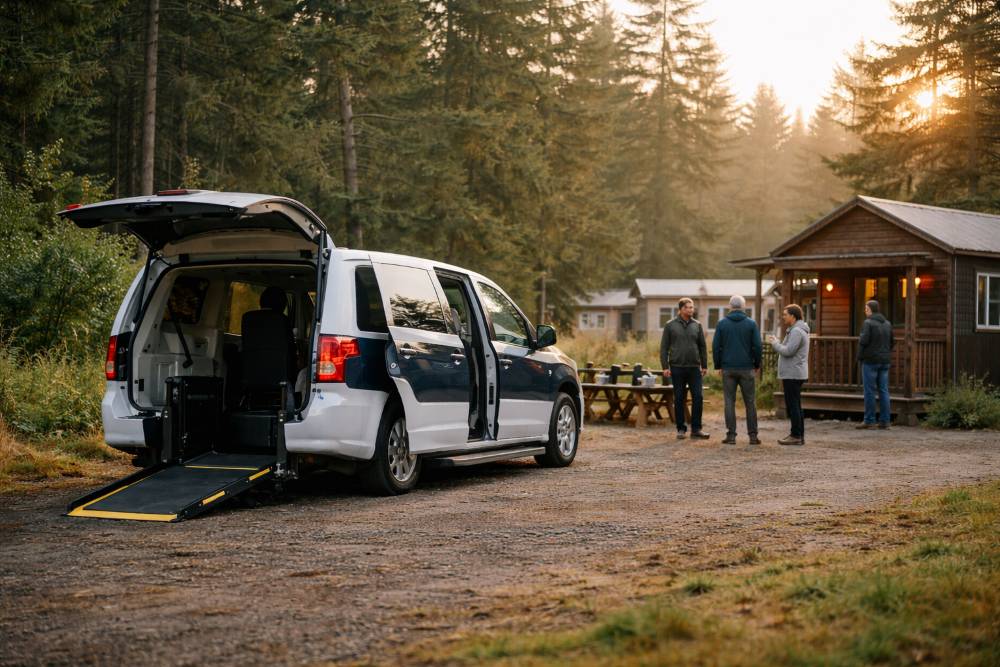
When an issue is quietly affecting lives every day, real change only happens when it gets attention. That is exactly what happened following Beyond Ride’s recent community event and mobility initiative in Tacoma.
Our work addressing wheelchair transportation barriers, and our growing collaboration with the Skoolie Foundation, has now been covered across multiple news and PR platforms, including Google News–indexed outlets and regional media networks. This coverage confirms something we already knew locally. Transportation access is not a side issue. It is essential infrastructure.
Why This Coverage Matters First
The event focused on one simple but often overlooked reality. When wheelchair transportation fails, everything else fails with it. Medical appointments get missed. Hospital discharges are delayed. Seniors and people with disabilities are left isolated even when services technically exist.
Media coverage helps move this conversation beyond a single room or city block. It turns a local challenge into a documented public issue that healthcare providers, nonprofits, and community leaders can no longer ignore.
According to our official press release distribution report, the story titled “Tacoma’s most powerful Medical Transport collab may end Wheelchair Transportation delay” was published and syndicated across a wide network of news platforms tacomas-most-powerful-medical-t….
News and PR Platforms That Covered the Story
The event and its mission were featured on multiple news and content discovery platforms, including Google-indexed sources. Some of the key outlets where the story appeared include:
• IssueWire
Official press release publication and primary distribution source
https://www.issuewire.com/tacomas-most-powerful-medical-transport-collab-may-end-wheelchair-transportation-delay-1854931351028357
• Google News
The story was indexed and surfaced through Google News search and discovery
Google News Beyond Ride Story Link
• iStories
Featured as a business and community impact news article
https://www.isstories.com/2026/01/21/tacomas-most-powerful-medical-transport-collab-may-end-wheelchair-transportation-delay/
• Frontal Report, The Journalist Report, Financial Capital, Fortune Week, 360 MediaHub
Part of the extended distribution network reaching general news, business, finance, and community interest audiences
This wide coverage ensures that the conversation around wheelchair transportation in Tacoma and surrounding counties is no longer invisible.
What the Media Highlighted
Most coverage centered on the same core issue raised during the event. Wheelchair transportation is often the silent barrier behind missed healthcare, delayed recovery, and social isolation.
The reporting emphasized that Beyond Ride is not positioning itself as a simple ride provider. It is positioning itself as part of a larger support system that includes caregivers, nonprofits, and alternative housing communities such as those supported by the Skoolie Foundation.
The story also highlighted how community-focused gatherings, rather than formal press events, can surface real solutions when the right people are in the same room.
Why This Is Important for Tacoma and Beyond
Tacoma is growing, but accessible mobility is not keeping pace. Seniors, wheelchair users, and care-dependent residents often find that services exist on paper, yet remain unreachable in practice.
Media coverage helps validate what families, caregivers, and clinics experience daily. Transportation access is not optional. It determines whether healthcare, housing support, and community services actually work.
By appearing across trusted news platforms, this issue now has a public record. That visibility helps open doors for stronger partnerships, better planning, and long-term solutions.
What Comes Next
Beyond Ride remains focused on expanding safe, affordable, wheelchair-accessible transportation across Tacoma, Pierce County, and Kitsap County. The growing attention around this issue reinforces our commitment to work alongside nonprofits like the Skoolie Foundation and community partners who understand that mobility is the gateway to dignity.
We are grateful to the journalists, editors, and platforms that helped amplify this message. More importantly, we are committed to turning that attention into real outcomes for the people who rely on accessible transportation every day.